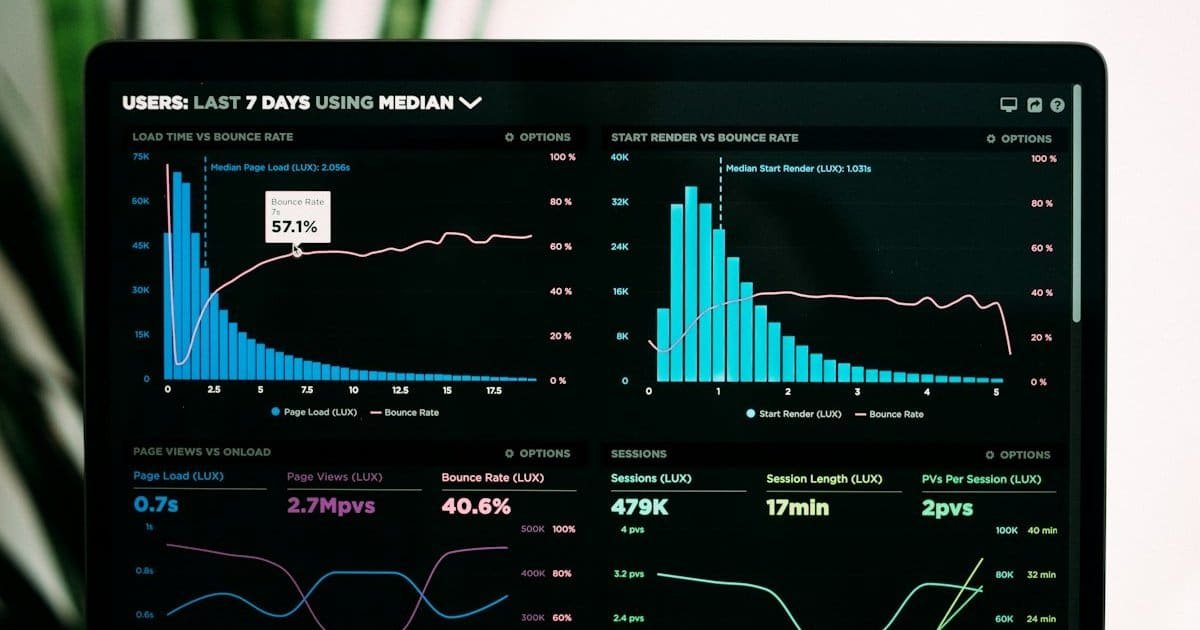
When scaling commercial growth with geo seo agency, enterprise organizations prioritize technical infrastructure, measurable conversion funnels, and algorithmic search optimization over superficial marketing metrics.
Why Generative Engine Optimization (GEO) is the New Frontier of Commercial Search
The global search economy is undergoing the most profound paradigm shift since the invention of the web crawler. For decades, consumers and commercial buyers navigated search through linear keyword queries, scanning lists of blue hyperlinks and visiting individual websites to piece together answers manually. Today, decision-makers increasingly bypass traditional search result pages entirely. They turn to conversational AI engines such as Perplexity AI, ChatGPT Search, Claude and Google AI Overviews to perform complex vendor evaluations, software comparisons and solution research. When an enterprise buyer asks an AI engine to recommend the top enterprise cybersecurity consulting firms or high-performance e-commerce development agencies, the large language model does not present a list of ads or ten blue links. It generates a synthesised narrative analysis, highlighting three to four premier vendors alongside specific citations and justifications. Academic research conducted by Princeton, Georgia Tech and Allen Institute for AI on Generative Engine Optimization demonstrated that traditional SEO ranking factors like keyword density correlate poorly with generative AI citation frequency. Instead, generative engines prioritize content featuring authoritative statistical citations, technical quotations, unique domain vocabulary and clear factual consensus across verified knowledge bases. If your business relies exclusively on legacy SEO tactics, your commercial visibility is steadily eroding among high-value decision-makers who utilize AI search daily. Securing prominent positioning inside generative synthesized answers requires systematic optimization for large language model retrieval mechanics. Partnering with a specialized GEO SEO agency ensures your digital assets are engineered to win the generative search revolution. We deploy scientific GEO frameworks that elevate your entity salience, secure authoritative citations across generative AI summaries and turn conversational search queries into qualified enterprise revenue.
Catastrophic Mistakes Brands Make When Approaching Generative AI Search
As companies attempt to navigate the emergence of AI answer engines, many fall prey to flawed assumptions that actively damage their visibility inside large language models. The primary error is treating Generative Engine Optimization as identical to traditional keyword optimization. Cramming target keywords into headers and body paragraphs does nothing to influence large language models. Generative engines evaluate semantic vector embeddings, thematic coherence and the presence of verified factual relationships between conceptual entities. Keyword stuffing actually degrades text quality scores within modern reranking algorithms. The second widespread blunder is failing to provide primary factual citations and empirical data points. Generative AI engines are trained to avoid hallucination by anchoring synthesized statements to credible, verifiable sources. Articles that offer vague generalities without quantitative statistics, research references or empirical benchmarks are rarely selected as citation sources by retrieval-augmented generation pipelines. The third critical mistake is lacking an authoritative external digital footprint. Large language models synthesize answers by aggregating information across diverse trusted web nodes. If your company website makes bold claims about market leadership, but external industry trade publications, business directories, podcasts and news archives contain zero corroborating mentions, AI engines treat your claims with low confidence. The fourth major pitfall is ignoring page rendering performance and crawler accessibility. Generative AI engines perform real-time retrieval by fetching external web pages during inference. If your website relies on heavy client-side JavaScript rendering, suffers from slow server response times or blocks AI search user agents (such as PerplexityBot or GPTBot) via misconfigured robots.txt files, AI engines cannot extract your content during real-time queries. Finally, organizations fail to monitor conversational search sentiment and entity accuracy. Inaccurate historical data, outdated pricing or deprecated product names stored within AI model training weights can persist for months, misinforming prospective clients without the brand's knowledge.
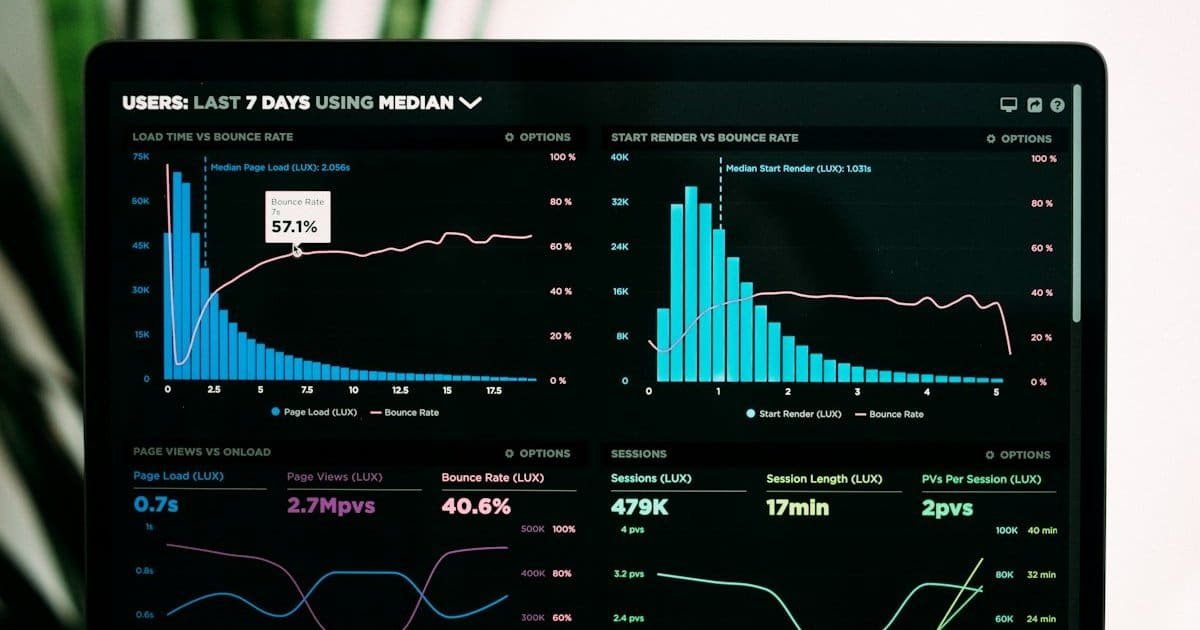
The 4-Pillar Generative Engine Optimization (GEO) Framework
Achieving top citation frequency and authoritative brand mentions across generative artificial intelligence search platforms requires a systematic four-pillar engineering framework.
Pillar 1: Credibility Layering and Quotation Architecture
Structure every technical and commercial piece of content with verifiable credibility anchors. Integrate authoritative third-party research citations from recognized academic, industry and regulatory bodies (such as W3C, NIST, Gartner and peer-reviewed journals). Embed direct quotations from verified internal subject matter experts alongside concrete numerical performance metrics. Large language models heavily favor content with high citation density and attributed expert commentary during the synthesis phase.
Pillar 2: Semantic Vector Formatting and Structural Machine Readability
Format your content architecture for effortless semantic chunking by retrieval-augmented generation models. Break complex technical topics into modular subsections headlined by clear, declarative questions. Utilize structured HTML elements including descriptive data tables, definition lists and ordered procedures. Avoid convoluted metaphors and ambiguous phrasing; utilize precise domain terminology that maps cleanly into high-dimensional semantic vector spaces.
Pillar 3: Multi-Platform Digital PR and Entity Consensus Engineering
Build broad mathematical consensus across the public web. Execute a strategic digital PR and thought leadership campaign targeting authoritative trade journals, business podcasts, industry podcasts and technical repositories. Secure verified entity mentions and co-citations alongside recognized industry leaders. When multiple independent high-authority sources reference your company within a specific domain context, AI engines establish strong associative confidence and recommend your brand.
Pillar 4: Technical AI Crawler Optimization and Real-Time Indexation
Ensure your web infrastructure delivers lightning-fast responses to AI search retrieval crawlers. Configure server-side rendering or static site generation so that complete HTML and structured JSON-LD data are delivered in the initial server response. Verify robots.txt and Web Application Firewall rules to ensure verified AI search crawlers (including PerplexityBot, OAI-SearchBot and Google-Extended) can access public content without hindrance. Explore our dedicated GEO SEO agency services to dominate generative AI search.
Generative engine optimization aligns your technical content with Perplexity AI Citation Guidelines to ensure your brand is cited as the primary authority.
Semantic entity validation draws upon research published in the Stanford AI Index Report and Search Engine Journal Generative Engine Optimization.
Machine-readable data structures adhere to formal recommendations from W3C Semantic Web and Linked Data Standards.
Authoritative industry standards and benchmarks to reference include Princeton Research on Generative Engine Optimization (GEO), Perplexity AI Technical Documentation and Crawler Guidelines, OpenAI Search and Web Retrieval Architecture, and NIST Big Data and Semantic Interoperability Standards.
Perplexity AI Citation Engineering and RAG Extraction Algorithms
Perplexity AI has established itself as the leading pure-play generative search engine for knowledge workers, developers and corporate executives. Understanding its citation extraction algorithm is essential for modern GEO. Perplexity relies on a hybrid search pipeline that combines traditional search index retrieval with custom fine-tuned language models. When a user queries Perplexity, the system fetches top-ranking search results, parses the documents into concise text chunks, scores each chunk for semantic relevance and factual density and synthesizes a cited answer with numbered source badges. Our engineering framework optimizes web pages specifically for Perplexity's chunk extraction heuristics. We position key takeaways, statistical summaries and verified definitions at the very beginning of content modules, dramatically increasing the probability of your domain being selected as a primary numbered citation source.
Knowledge Graph Entity Association and Brand Salience Tuning
In the ecosystem of generative artificial intelligence, your brand is evaluated not merely as a website, but as an entity within a multidimensional knowledge graph. Entity salience measures how central and authoritative your brand is to a specific subject matter. If an AI model is asked to recommend top enterprise cybersecurity solutions, it calculates the statistical association between the concept of enterprise cybersecurity and known corporate entities. We employ advanced entity optimization techniques, including custom RDFa and JSON-LD schema linking, to explicitly define your brand's relationships with core industry concepts, industry standards and technological methodologies. This programmatic alignment elevates your entity salience scores across both training datasets and real-time retrieval indexes.
8+ Years of Senior Engineering Leadership and White-Label GEO Outsourcing
Inrank Technologies is led by our Senior Growth Engineering Lead, who brings over 8+ years of hands-on technical software engineering, data architecture and advanced search engine optimization experience to every client deployment. Having engineered sophisticated digital platforms, algorithmic content architectures and high-converting marketing funnels across India, North America and international markets, our technical lead personally directs all Generative Engine Optimization strategies, entity modeling and technical AI crawler audits. Inrank Technologies also functions as a trusted white-label GEO SEO partner for digital marketing agencies, SEO consultancies and enterprise communication firms globally. We conduct in-depth generative search audits, engineer LLM citation strategies and deploy semantic entity schema under strict Non-Disclosure Agreements (NDAs). Partner agencies offer cutting-edge Generative Engine Optimization retainers under their own brand banner, delivering transformative generative search visibility to their clients without hiring expensive specialized AI research engineers.
Actionable Generative Engine Optimization (GEO) Checklist
Frequently Asked Questions
Traditional SEO optimizes for keyword rankings and click-through rates on search engine result pages. GEO optimizes content structure, citation density and entity authority to secure citations and synthesized recommendations inside generative AI models like Perplexity and ChatGPT.
Traditional SEO content often relies on keyword repetition and generic prose. Generative AI engines prioritize content with high information gain, original statistics, authoritative quotations and structured data that can be parsed reliably during retrieval.
To get cited in Perplexity, publish high-density technical content with direct answers, cite authoritative statistics, ensure rapid server-side page rendering and maintain strong topical authority across high-trust external industry nodes.
Yes. Inrank Technologies provides confidential white-label Generative Engine Optimization, LLM citation engineering and entity modeling for digital agencies globally under strict non-disclosure agreements.
We track success by measuring brand citation frequency, citation rank position, sentiment scoring across commercial AI queries and referral traffic originating from AI search platforms like Perplexity and ChatGPT.
Deploy Enterprise Systems That Convert
Work directly with Inrank's senior engineers and performance architects to scale organic search revenue, rebuild legacy tech debt, and maximize high-intent commercial pipeline.
Follow Inrank on Google Search & AI Overviews
Add Inrank Technologies to your Google Preferred Sources to get our latest search optimization, GEO playbooks, and engineering teardowns surfaced first in your feed.